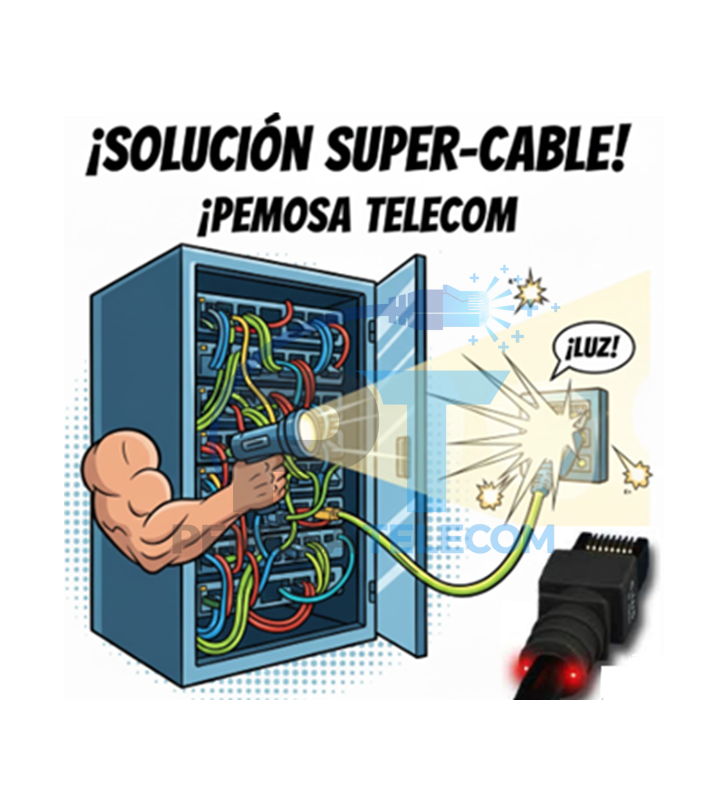
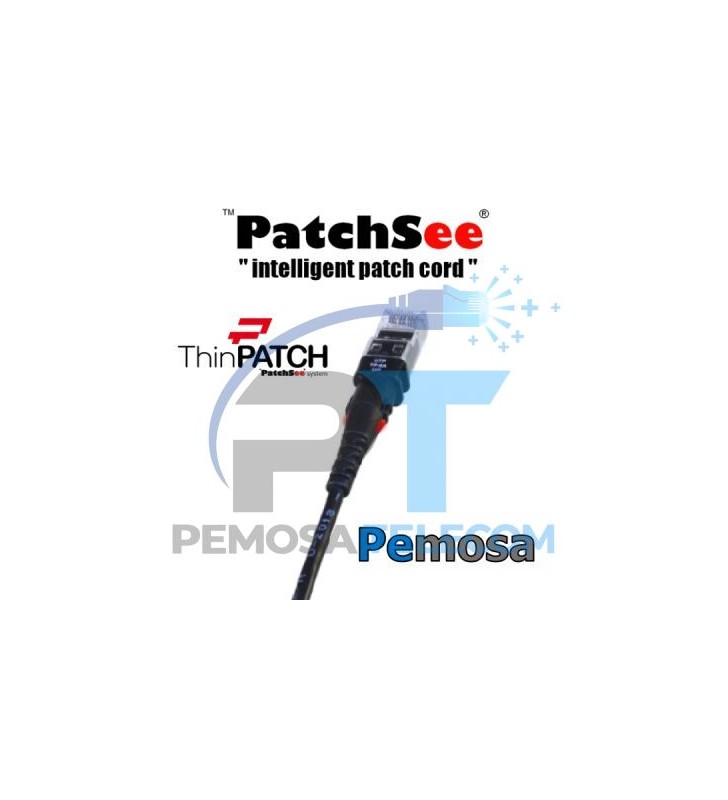
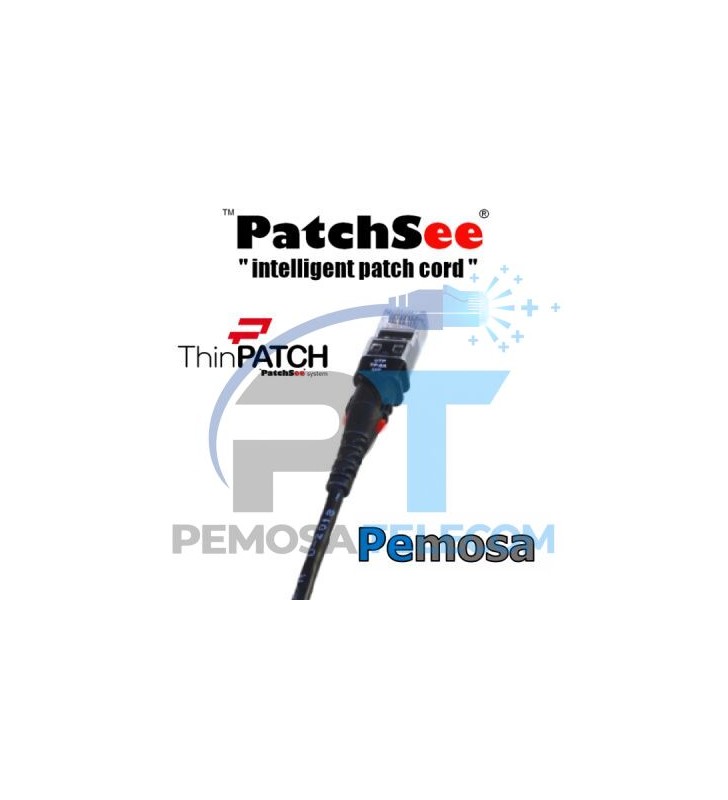
Technical Report: Infrastructure Optimization with Smart Light-Emitting Patch Technology 1. Introduction In high-density environments, such as the 19" racks we manage at Pemosa Telecom, connection identification is one of the biggest challenges for maintenance technicians. Conventional patch cables require manual tracing, which carries the risk of accidental disconnection and wasted time. Smart Patch Cables solve this problem with a patented identification system using plastic optical fiber or integrated copper connections.
2. Key Operational Advantages A. Instant Visual Identification (Light System) Unlike conventional labels that can fade or become hidden in a cable bundle, Smart Patch Cables use two strands of plastic optical fiber or two copper cont[...]
Technical Report: Infrastructure Optimization with Smart Light-Emitting Patch Technology 1. Introduction In high-density environments, such as the 19" racks we manage at Pemosa Telecom, connection identification is one of the biggest challenges for maintenance technicians. Conventional patch cables require manual tracing, which carries the risk of accidental disconnection and wasted time. Smart Patch Cables solve this problem with a patented identification system using plastic optical fiber or integrated copper connections.
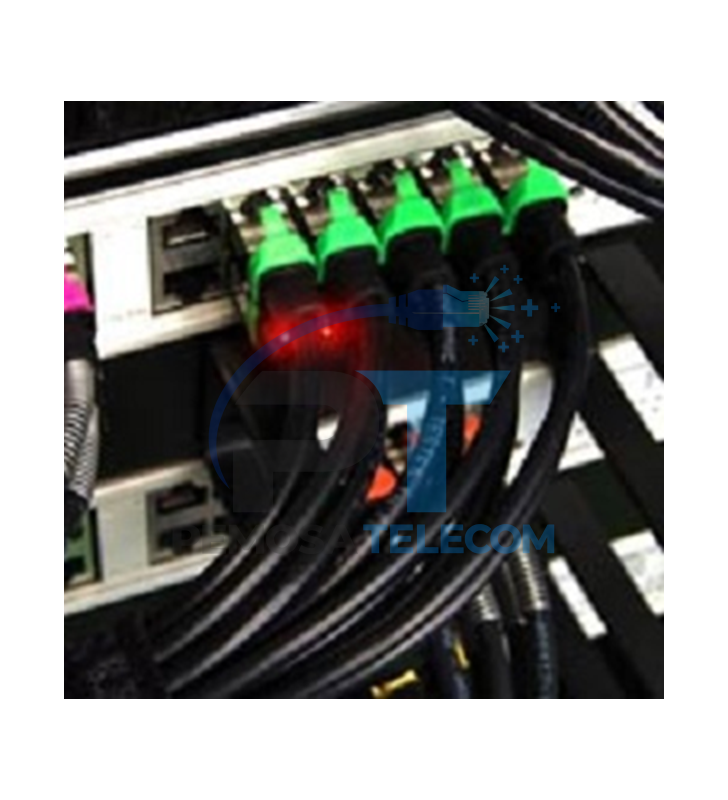
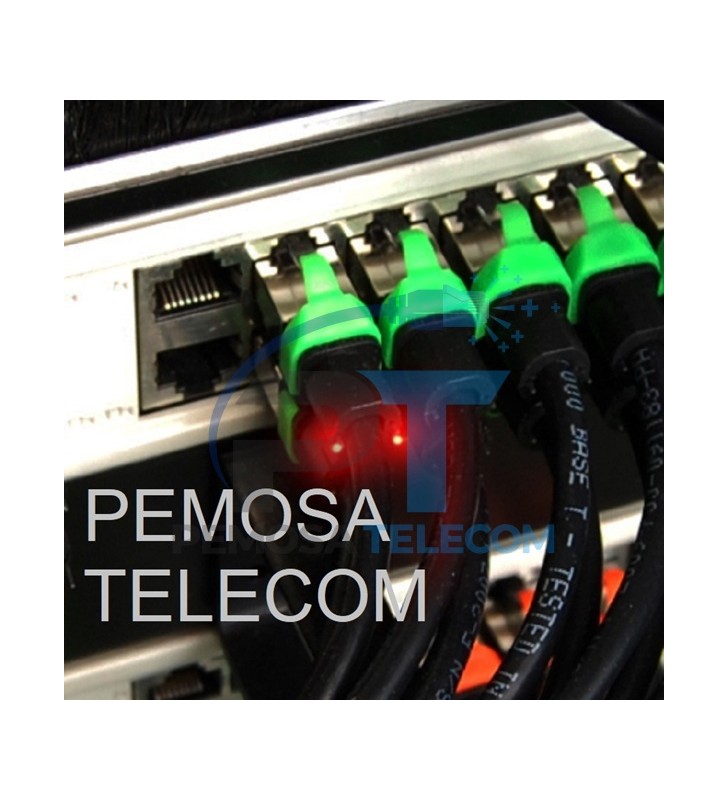
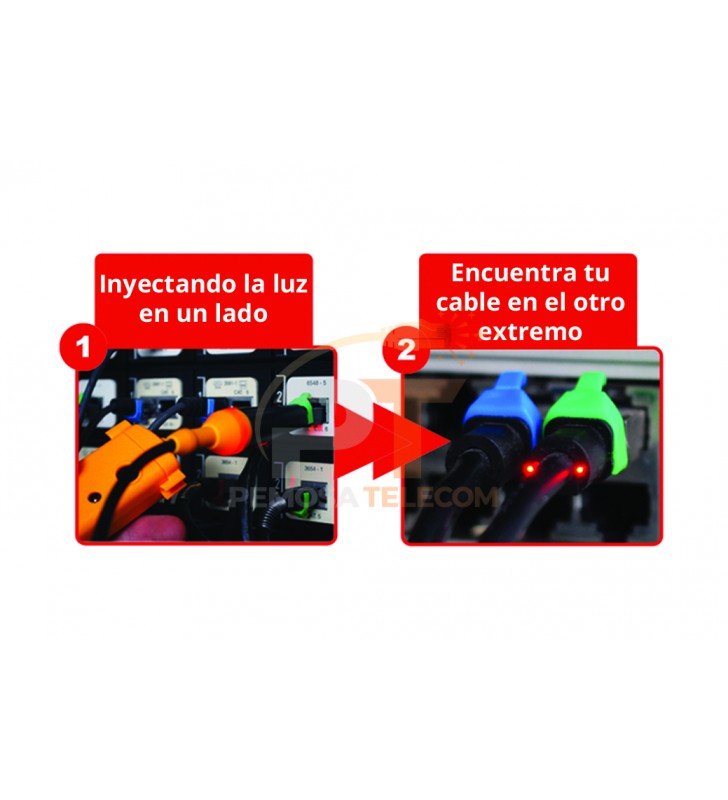
2. Key Operational Advantages A. Instant Visual Identification (Light System) Unlike conventional labels that can fade or become hidden in a cable bundle, Smart Patch Cables use two strands of plastic optical fiber or two copper contacts that run the entire length of the cable.
Operation: When a light is applied to one end, the other end glows brightly.
Benefit: Allows for the unambiguous location of both ends of a patch cable in just a few seconds, without the need to move or disconnect others. Cables.
B. Security and Service Continuity Human error is the leading cause of network outages in data centers. Manually tracing a cable in a crowded rack often leads to accidental disconnections of adjacent ports.
Benefit: By eliminating the need to physically manipulate the entire cable run for identification, the risk of accidental disconnection (downtime) is reduced to zero.
C. High-Density Design (Slim Design) Smart Patch Cables are significantly thinner than standard cables and lack the bulky plastic boots that often get stuck in patch panels.
Benefit: Dramatically improves airflow within the rack and simplifies cable management and cable guides, an area where Pemosa Telecom specializes.
3. Technical Specifications and Quality It's not just a lighting system; it's a high-performance network component:
Performance: Available in Cat 6, Cat 6A, and Fiber categories. Optics.
Certification: Each cable is individually tested to comply with TIA/EIA and ISO standards.
Compatibility: Its ultra-thin boot design is compatible with all network equipment on the market, including high-density switches.
4. Return on Investment (ROI) for Pemosa Telecom Standard Patch Cable vs. Smart Patch Cable Identification Time: 2 to 5 minutes vs. < 5 seconds Risk of Human Error: High (physical handling) vs. None (visual identification) Hang-up Maintenance: Risky vs. Safe and fast Operating Cost (OPEX): High (more technician hours) vs. Low (maximum efficiency)
5. Conclusion The use of Smart Patch Cables in Pemosa Telecom, S.L.'s facilities is not a luxury, but a tool for productive efficiency. It drastically reduces intervention times for faults and changes, guarantees maximum organization in 19" racks, and projects an image of superior technological professionalism to the end customer.
Recommendation: Integrate Smart Patches as a standard in all mission-critical projects where service continuity is a priority.
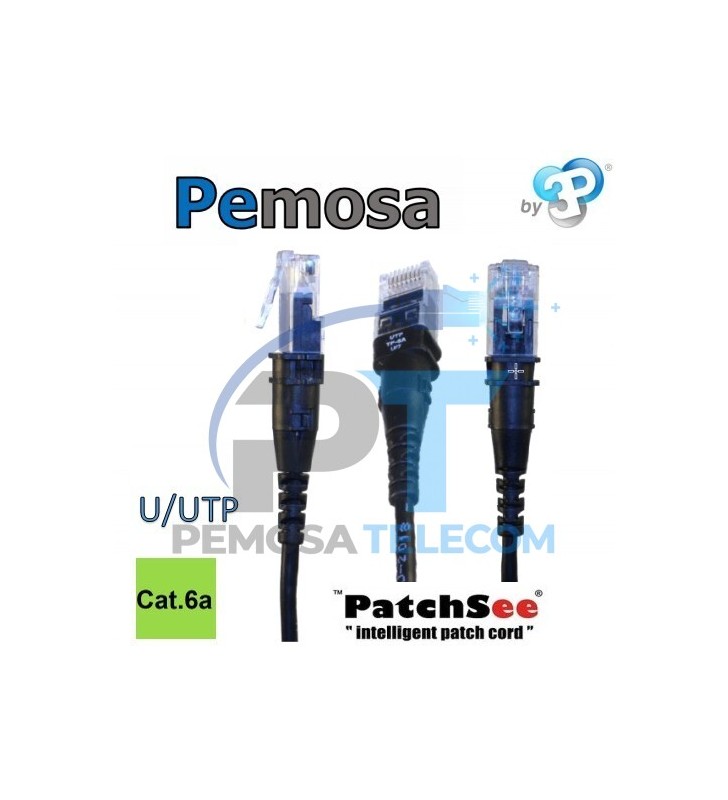
Patch-Cord U/UTP C6A AWG28 LSHF Black Round Cap Long Inside Model Patchsee ThinPatch Slim/Skinny
ThinPATCH RJ45 patch cables are individually designed and tested for connections between network equipment and patch panels, and to the network user's outlet. They are warranted for cat 6A, cat 6, and cat 5 ETIA/EIA-568-C.2 component testing, for certified channel link to certified permanent link for transmission frequencies up to 500 MHz. They are compatible with 10 Gigabit applications, and standard Compliance with amendments 1 and 2 of ISO/IEC 11801, 2nd ed.
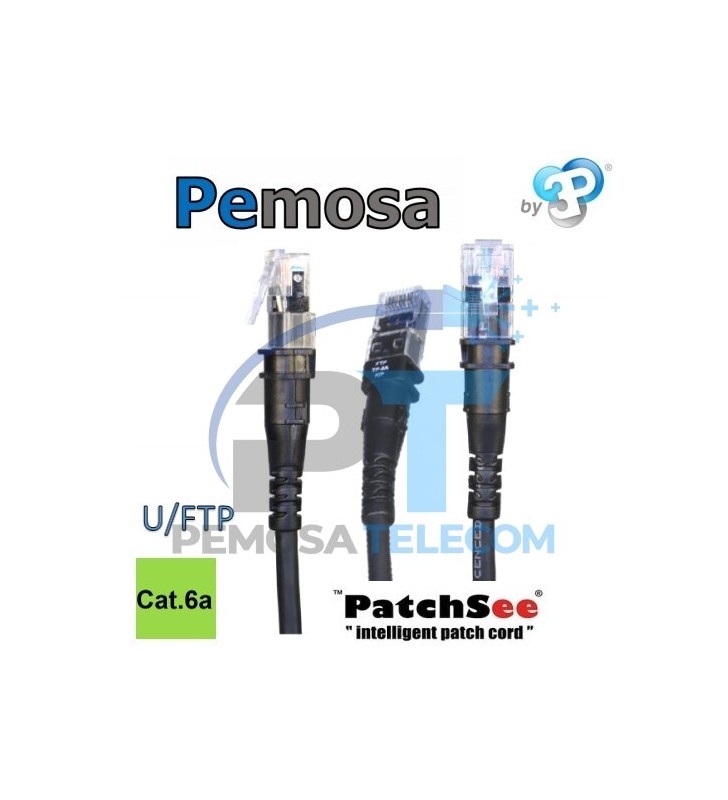
Patch-Cord U/FTP C6A AWG28 LSHF Black Round Cap Long Inside Model Patchsee ThinPatch Slim/Skinny
ThinPATCH RJ45 patch cables are individually designed and tested for connections between network equipment and patch panels, and to the network user's outlet. They are warranted for cat 6A, cat 6, and cat 5 ETIA/EIA-568-C.2 component testing, for certified channel link to certified permanent link for transmission frequencies up to 500 MHz. They are compatible with 10 Gigabit applications, and standard Compliance with amendments 1 and 2 of ISO/IEC 11801, 2nd ed.
Patch-Cord U/FTP C6A 26/7 LSHF Black Round Boot Short Inside. PatchSee. Category 6a FTP RJ45 patch cords for 10 Gbit/s and High Density environments. PATCHSEE connector insertion technology, with fiber optic identification, with 100 ohm Foil Shielding (FTP). 11 lengths from 0.6 m to 4.9 m Order: PCI6-F/aa - PATCHSEE
Patch-Cord U/UTP C6A 24/7 PVC Black Round Boot Short. PatchSee Category 6a UTP RJ45 patch cords for 10 Gbit/s and High density environments, with fiber optic identification, available in unshielded (UTP). PATCHSEE connector insertion technology. Slim line boot to align with the edges of the RJ45 connector for high density panels. 10 Gbit/s standard compliance for category 6a. Adjusted stainless steel spring for bend radius protection Rfa.: PCI6-U/bb - PATCHSEE
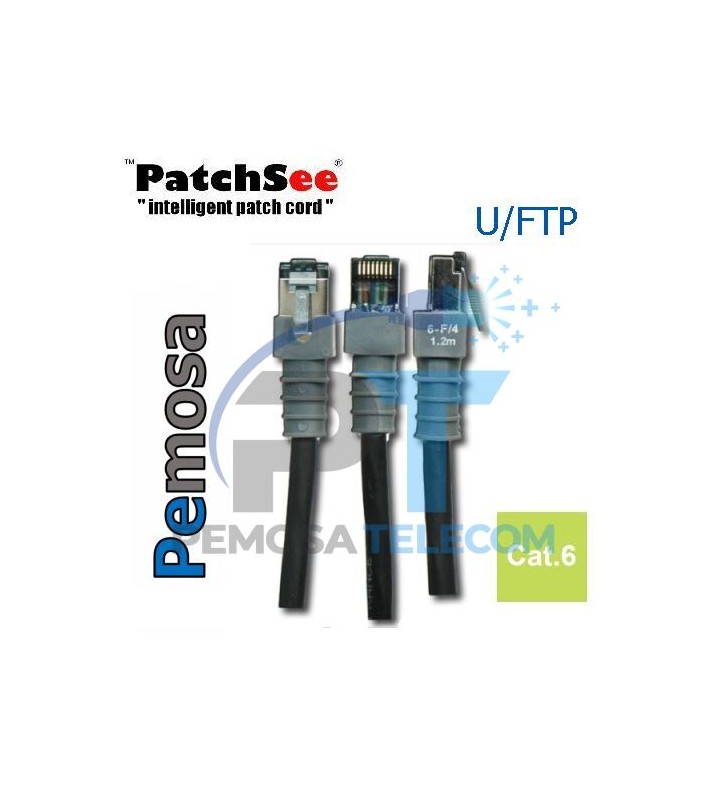
Patch-Cord U/FTP C6 26/7 LSHF Black Round Boot Long Inside PatchSee
PatchSee RJ 45 patch cables are individually designed and tested for connection of network equipment to patch panel and network user exits. They are warranted for the TIA/EIA-568-B-2.1 June 2002 cat 6 channel test on a certified permanent link for transmission frequencies up to 250 MHz.
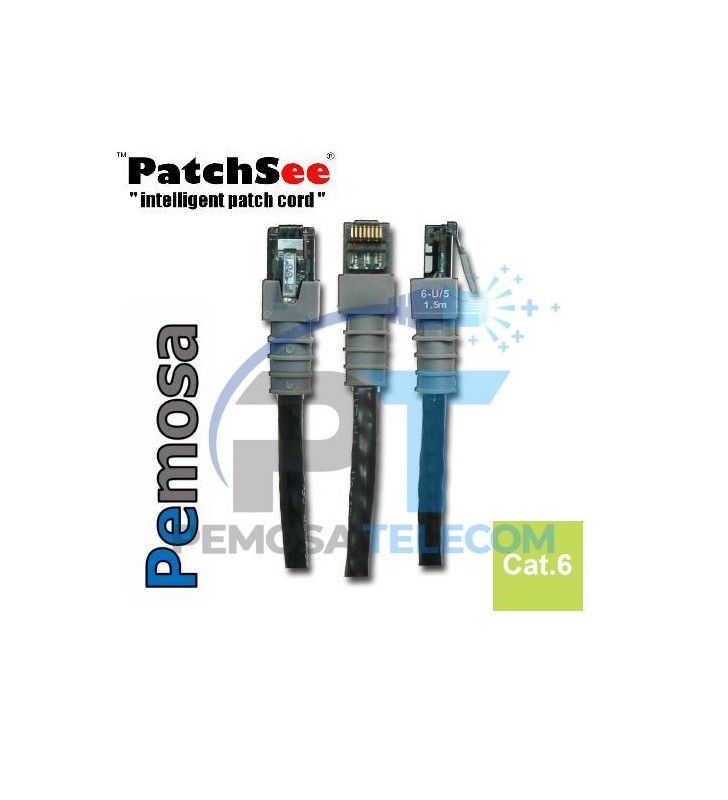
Patch-Cord U/UTP C6 24/7 PVC Black Round Boot Long Inside PatchSee
PatchSee RJ 45 patch cables are individually designed and tested for connection of network equipment to patch panel and network user exits. They are warranted for the TIA/EIA-568-B-2.1 June 2002 cat 6 channel test on a certified permanent link for transmission frequencies up to 250 MHz.
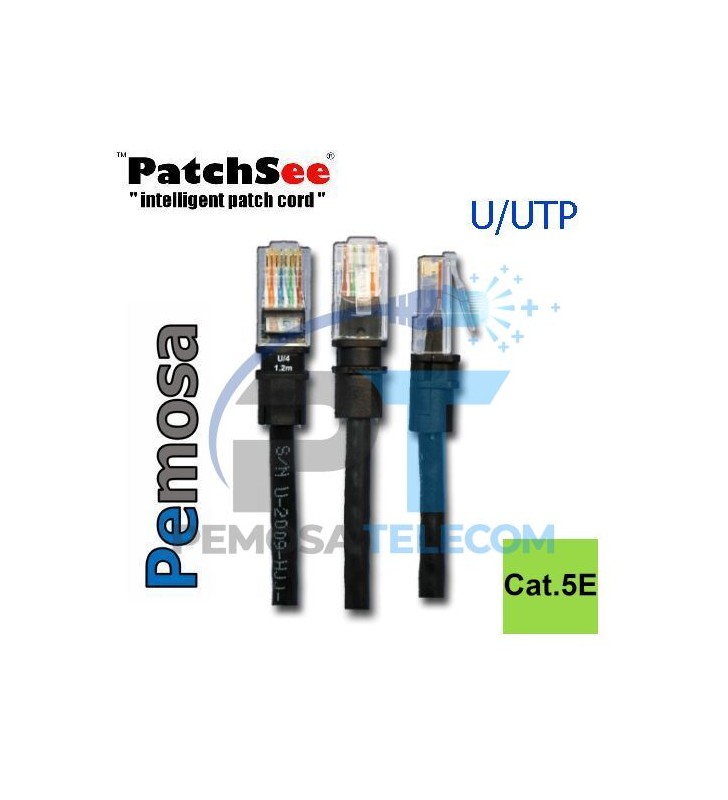
Patch-Cord U/UTP C5e 24/7 PVC Black Round Boot Short Inner PatchSee
PatchSee RJ 45 patch cables are individually designed and tested for connection of network equipment to patch panel and network user exits. They are guaranteed to cat 5e TIA/EIA-568-B-2.1 June 2002 Channel test on a certified permanent link for transmission frequencies up to 100 MHz. 6 different lengths from 2ft (0.6m) to 16ft (4.9m)
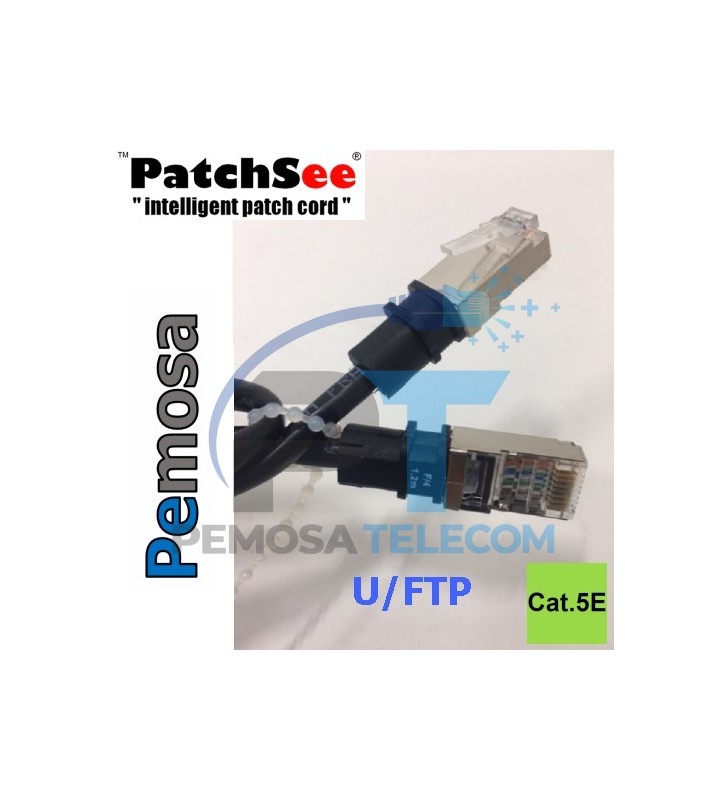
Patch-Cord U/FTP C5e 26/7 PVC Black Round Boot Short Inside PatchSee
PATCHSEE RJ 45 patch cables are individually designed and tested to connect network equipment to the network user's patch panel and outlet. They are warranted to the TIA/EIA-568-B-2.1 June 2002 cat 5e channel test on a certified permanent link for transmission frequencies up to 100 MHz. Available in the following lengths 0.60 M. - 1.20 M. - 1.50 M. - 2.10 M. - 3.10 M. - 4.90 M.
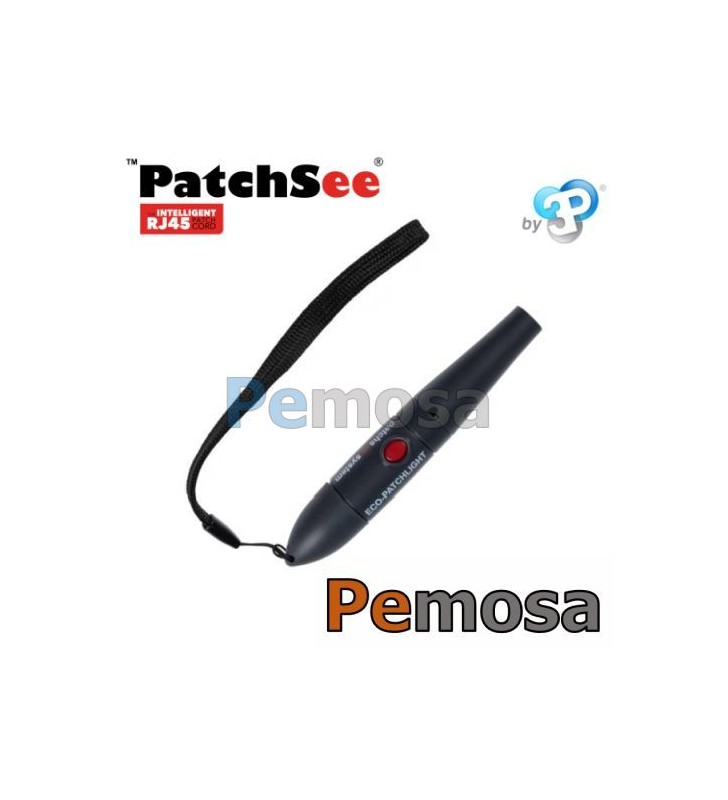
PRO-PatchLight: professional light injector. Professional light injector with intermittent mode - 3 standard light colors: red, white and green. - Batteries used: 3 x 1.2 V type AA - Available with protective bag, batteries and charger 110-220 V, 50-60 Hz (European, British and American connectors). - Individually packaged. - Reference: RO / PRO-PL | BL / PRO-PL | VE / PRO-PL.
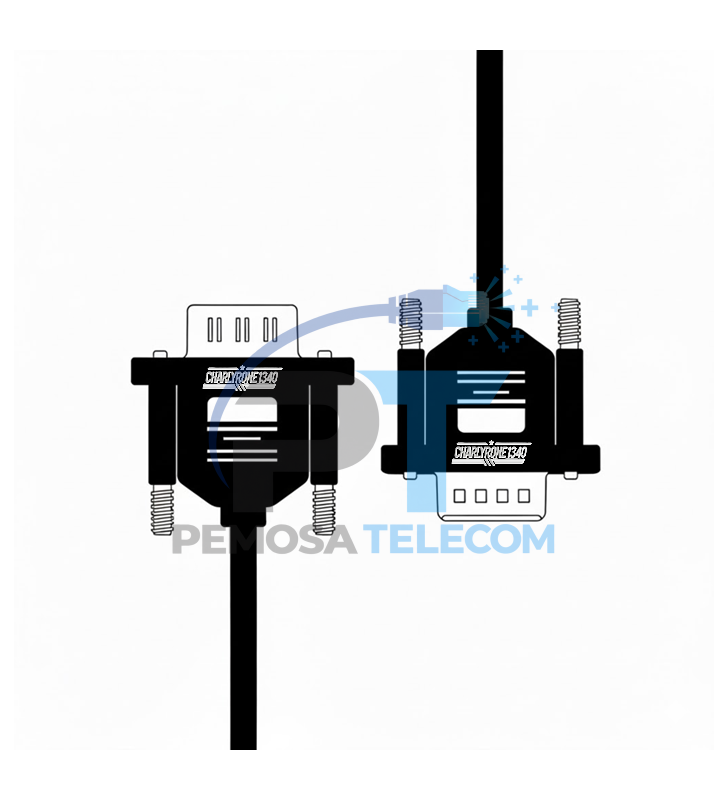
Super Video Graphics Array (SVGA), Super VGA, or D-sub-15 is a term that encompasses a wide range of computer graphics display standards, including video cards and monitors.
In 1987, when IBM released the VGA standard, many manufacturers produced VGA clone cards. IBM then created the XGA standard, which was not adopted by other companies that began producing SVGA graphics cards.
The new SVGA cards from different manufacturers were not exactly the same at the hardware level, making them incompatible. Programs had two options: manage the video card through standard calls, which was very slow but offered compatibility with different cards; or manage the card directly, which was very fast and allowed access to all its functionality (graphics modes, etc.). However, t[...]
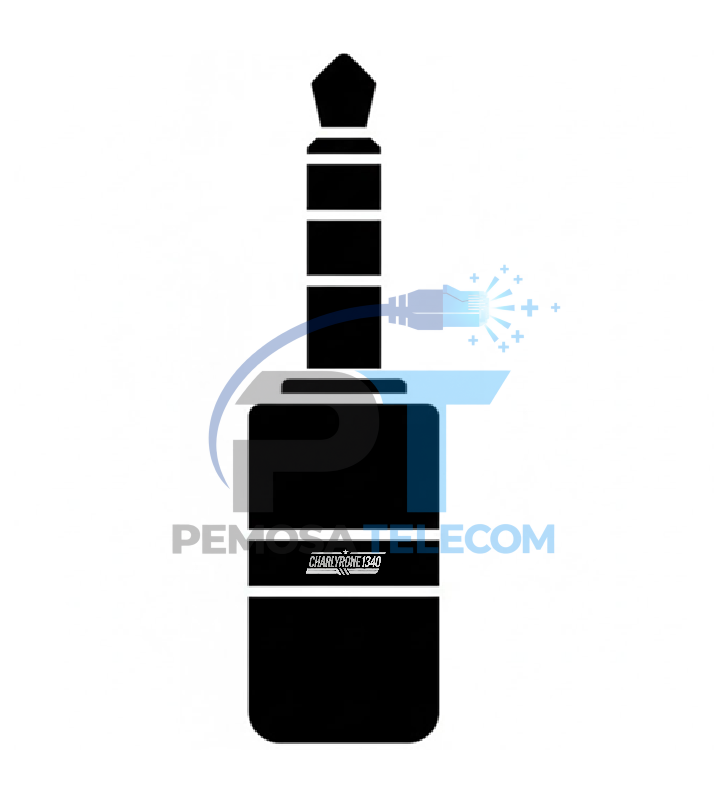
The 3.5mm connector transmits analog audio. It is classified by its rings into TS (mono), TRS (stereo), and TRRS (stereo plus microphone)—with the latter subdivided into CTIA or OMTP standards.
A 3.5mm jack (also known as a minijack, TRS/TRRS connector, or 1/8-inch connector) is a standard cylindrical connector used for transmitting analog audio signals.
Types based on the number of insulating rings
Black plastic rings separate the various metal contact sections (pins), determining their function:
TS (Tip, Sleeve – 1 black ring): Carries a monaural signal and ground. Common in musical instruments or simple microphones.
TRS (Tip, Ring, Sleeve – 2 black rings): Carries stereo sound (left channel, right channel, and ground). This is[...]
The move to higher resolutions like 4K UHD (and even the horizon of 8K) has completely changed the rules of the game for structured cabling in the AV environment.
To understand why HDBaseT specifically requires a Category 6A S/FTP cable (shielded twisted pair with an overall foil and individual displays per pair), we must connect the technical data in the report with the physics of signal transmission:
1. Bandwidth and Frequency (Why Cat 6A) --------------------------------------------------------------------------------- Current 4K (2160p) video hardware demands massive bandwidths ranging from 10.2 Gbps to 18 Gbps (according to the HDMI 2.0 standard).
Category Limits: Each cable type has a frequency limit certified by the TIA-568 standard:<[...]
Leviton Secure RJ System for Extreme Environments Technical Information
Absolutely. I've prepared the technical information following the 'Pemosa Design' structure, focusing on clarity, technical minimalism, and a straightforward description of the components of the Leviton Secure RJ physical security system.
Leviton Secure RJ System Physical Security for Critical Connectivity
CR4 Steel (The Material) CR4 indicates a type of cold-rolled, deep-drawn quality carbon steel.
Properties: It is a very malleable and soft steel, allowing it to be bent, welded, and shaped into complex forms without cracking.
Surface: Because it is cold-rolled, it has a much smoother and more precise surface finish than hot-rolled steel.
2. Powder Coated (The Painting Process) This is electrostatic powder coating. Instead of applying liquid paint with a brush or spray, an electrically charged powder is sprayed onto the metal and then baked.
Advantages: It is much more resistant to impacts, scratches, and corrosion than conventional paint. It is also more environmentally friendly as it does not use solvents.
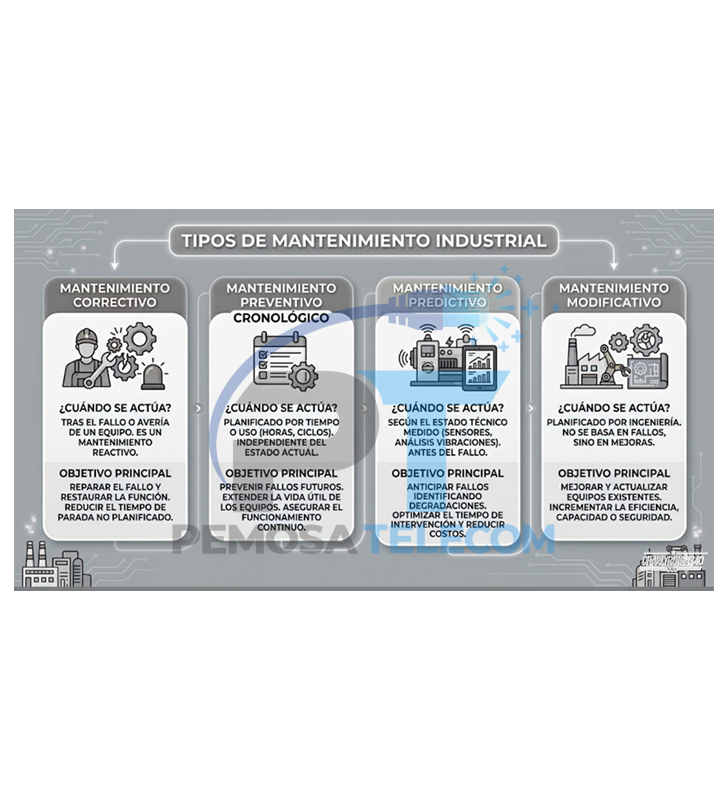
In the industrial and asset management sectors, there are primarily three main maintenance categories, which are further divided into several subcategories depending on the timing and strategy used.
Below, I detail the main types of maintenance:
1. Corrective Maintenance: ------------------------------------------ This type of maintenance is performed after a failure or breakdown occurs. Its objective is to repair the equipment so that it returns to operational status.
Immediate (or Emergency): Urgent action is taken as soon as the breakdown occurs to avoid costly production stoppages or safety risks.
Deferred (or Scheduled): The failure is not critical. The breakdown is detected, but the repair is postponed and scheduled for a mo[...]
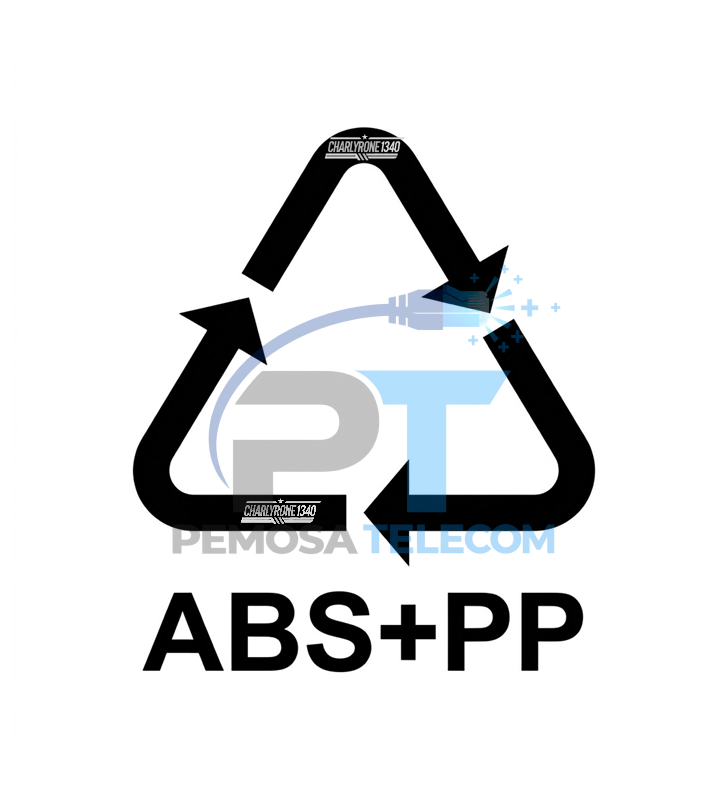
ABS (Acrylonitrile Butadiene Styrene) is one of the most used technical plastics in the industry and in the world of 3D printing. It is an amorphous thermoplastic, which means that it does not have a defined crystalline structure, which gives it very interesting properties.
Its number comes from the three monomers that make it up, each contributing a key characteristic:
Acrylonitrile: Provides chemical resistance and thermal stability.
Butadiene: Provides toughness and resistance to impact, even at low temperatures.
Styrene: Offers rigidity and ease of processing (gloss and surface finish).
What is it for? ABS is valued for being a hard, rigid and impact-resistant material, as well as being relatively light. Its applications[...]
SPCC material is a type of commercial-grade cold-rolled carbon steel, defined under the Japanese standard JIS G 3141.
Here's a breakdown of what it means:
S (Steel): Steel
P (Plate): Plate
C (Cold Rolled): Cold-rolled
C (Commercial): Commercial (general purpose)
Key Characteristics Manufacturing Process: It is produced from hot-rolled steel (such as SPHC) that is then subjected to a room-temperature (cold) rolling process. This improves surface quality, dimensional accuracy, and material strength.
Composition: It is a low-carbon steel (also known as mild steel), which gives it excellent formability and ductility.
Surface: It has a smooth, matte surface finish that is excellent for subsequent [...]
PUR (Polyurethane) Cable Jacket: The High-Strength Solution PUR (polyurethane) jacketing represents one of the most robust and advanced cable sheathing solutions, surpassing traditional materials like PVC in many aspects. Thanks to its exceptional mechanical and chemical properties, PUR-jacketed cables are the preferred choice in industrial environments, automation, and any application where strength and durability are critical.
PUR (Polyurethane) Cable Jackets: Maximum Strength for Demanding Applications
Cable jackets made of polyurethane (PUR) represent a high-performance and superior durability solution for industrial environments and mobile applications where cables are exposed to harsh conditions. PUR is not just a sheathing material; it's an investmen[...]
Un ATS (Automatic Transfer Switch), o Interruptor de Transferencia Automática, es un dispositivo electromecánico inteligente que actúa como un "árbitro" o vigilante del suministro eléctrico de una instalación.
Su función principal es conmutar de forma automática la energía de la carga (tus equipos, servidores o toda una planta) entre dos fuentes de alimentación diferentes: la red eléctrica principal y una fuente de respaldo (generalmente un grupo electrógeno/generador o un sistema de baterías/UPS).
Un ATS (Automatic Transfer Switch), o Interruptor de Transferencia Automática, es un dispositivo electromecánico inteligente que actúa como un "árbitro" o vigilante del suministro eléctrico de una instalación.
Su función principal es conmutar de forma autom[...]
Who is 3P Laboratory and what is its relationship to data cable certifications?
3P Laboratory (short for 3P Third Party Testing) is a highly reputable independent testing laboratory based in Copenhagen, Denmark. It has been active in the data cabling field since the 1980s.
Relationship to Data Cable Certifications 3P Laboratory's primary relationship with data cables is its role as a certification and testing body.
Performance and Quality Assessment: 3P tests and certifies various elements of communication systems, including cables, connection hardware, patch cords, channels, and permanent links.
Independent Certification: As a third-party testing laboratory, its certifications assure manufacturers, installers, and end users that produ[...]