CCTV Cameras: Camera Ecosystem - Physical Formats and Main Applications. Identifying models based on their deterrent capacity, mobility, and viewing range.
CCTV Format Classification. Representation of the main camera shapes according to their environment and function: from the discreetness of the Dome to the 360° coverage of the Fisheye.
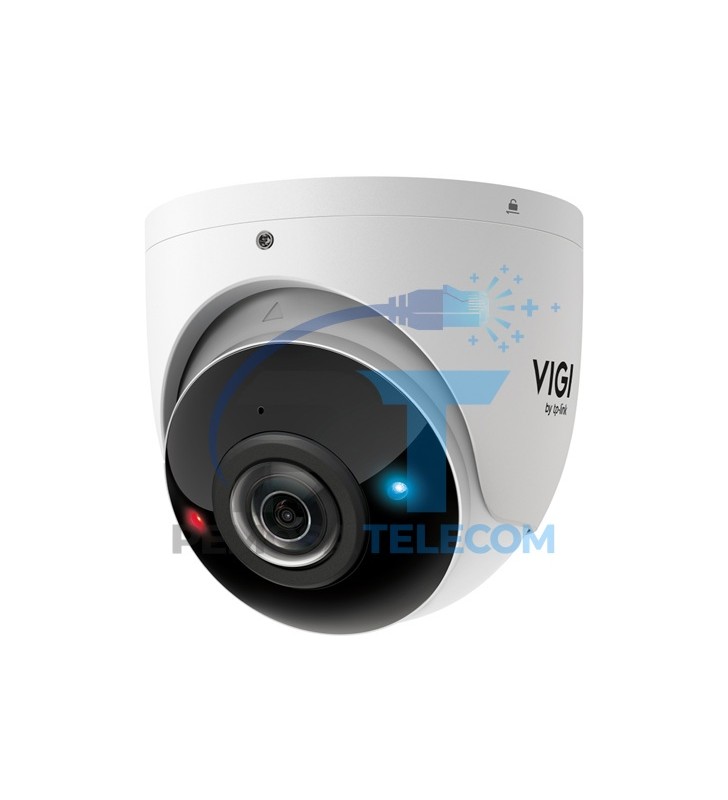
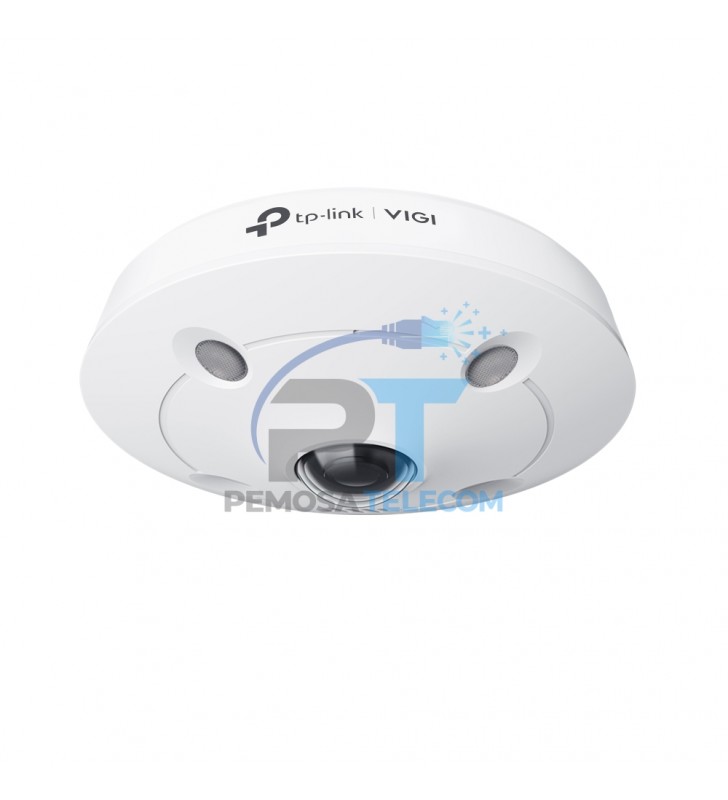
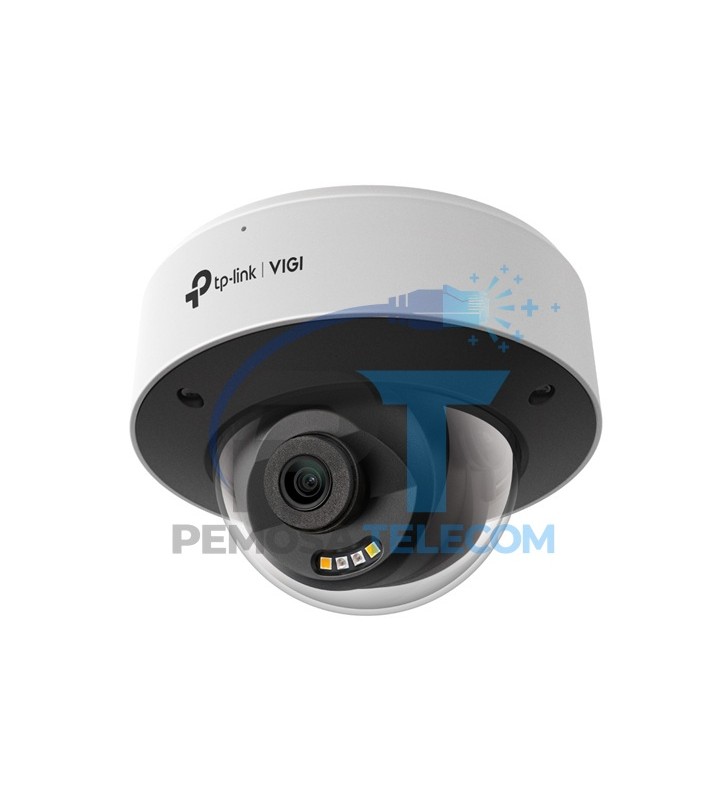
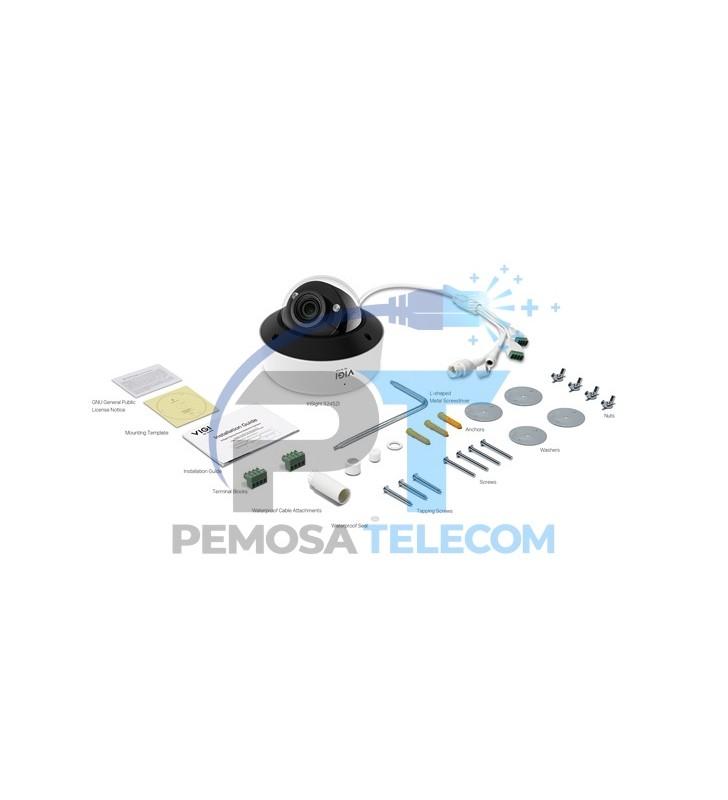
Capture Types: Visual guide to physical devices. Each format (Dome, Bullet, Turret, PT, PTZ, and Fisheye) is designed to balance deterrence, durability, and coverage angle.
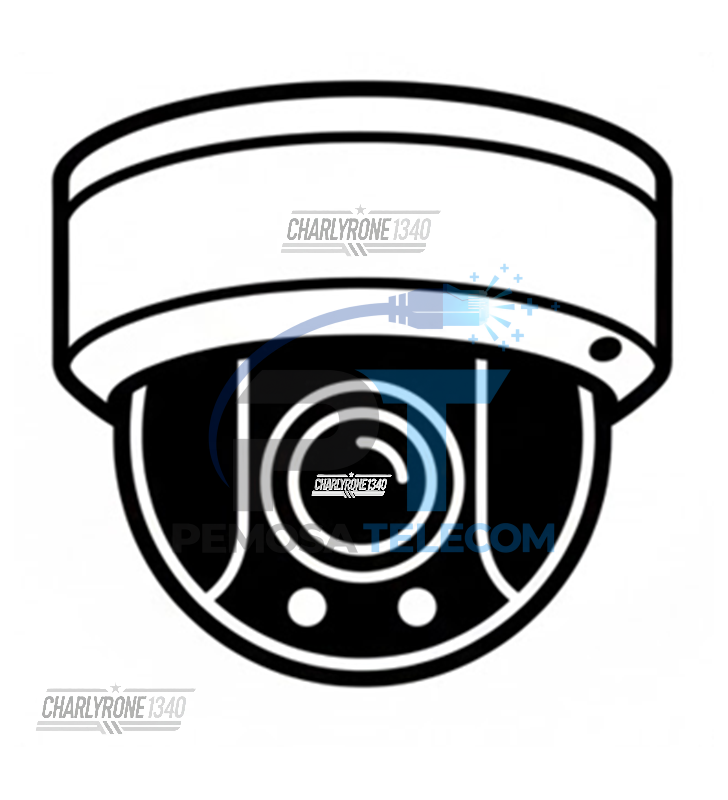
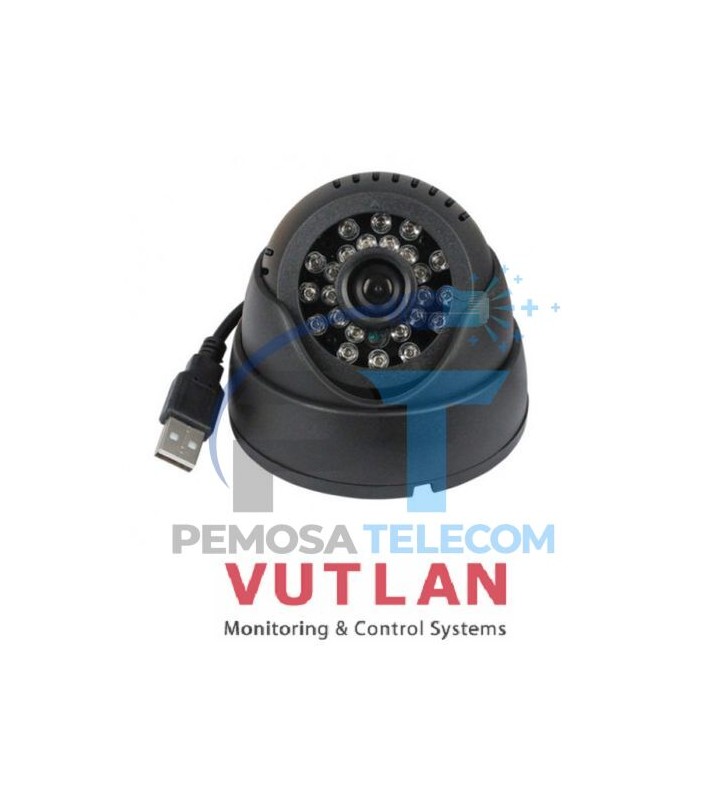
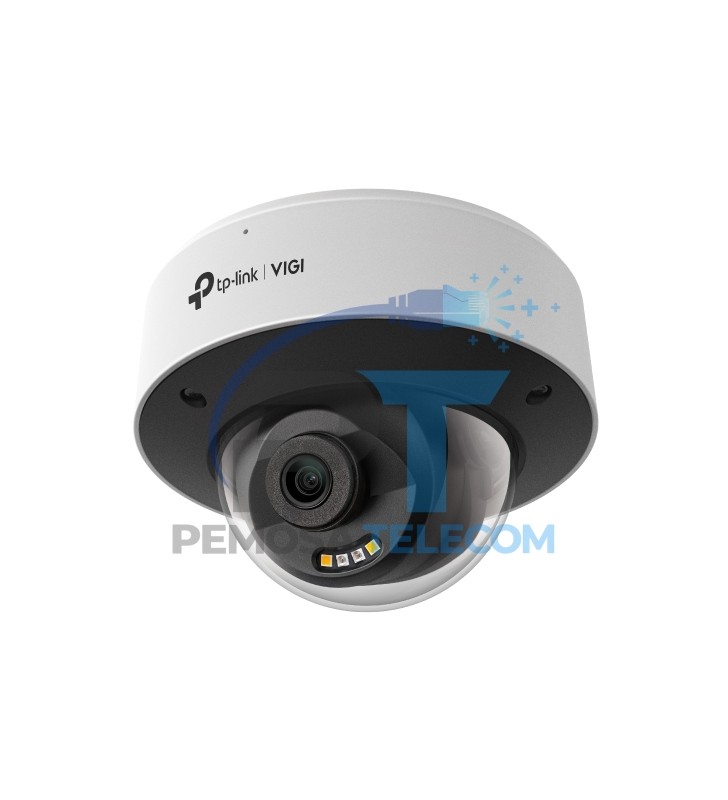
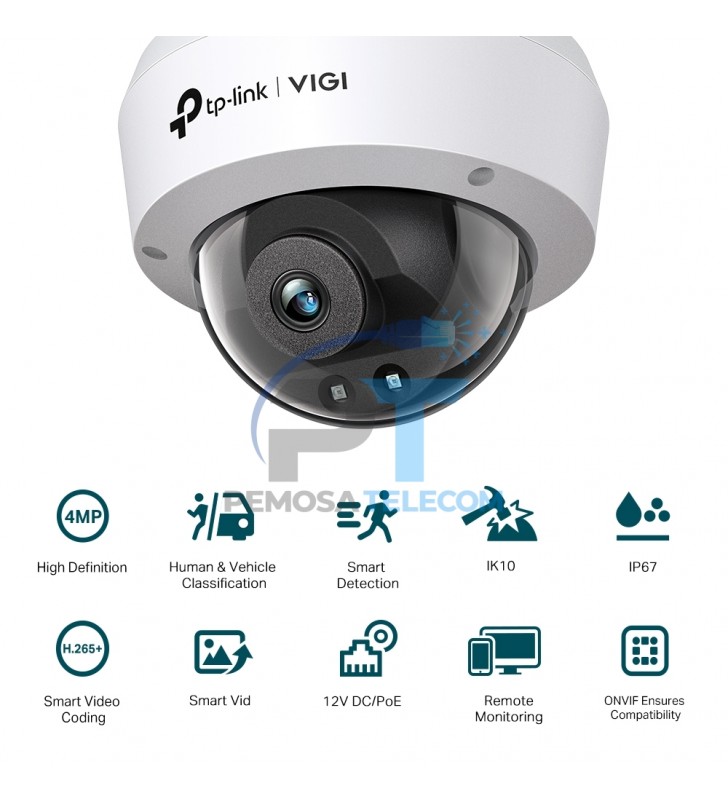
Dome: Designed for discretion and protection against tampering on interior ceilings.
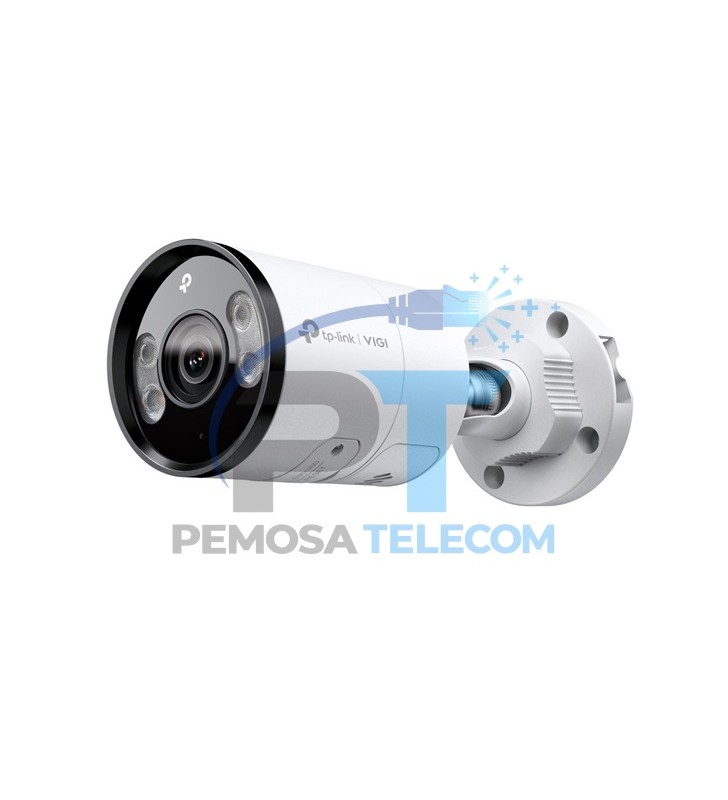
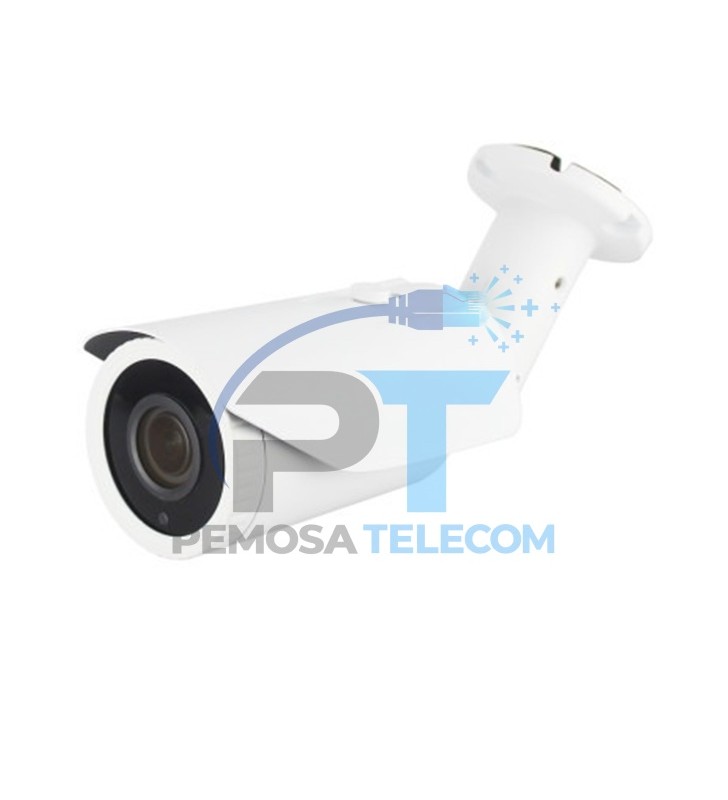
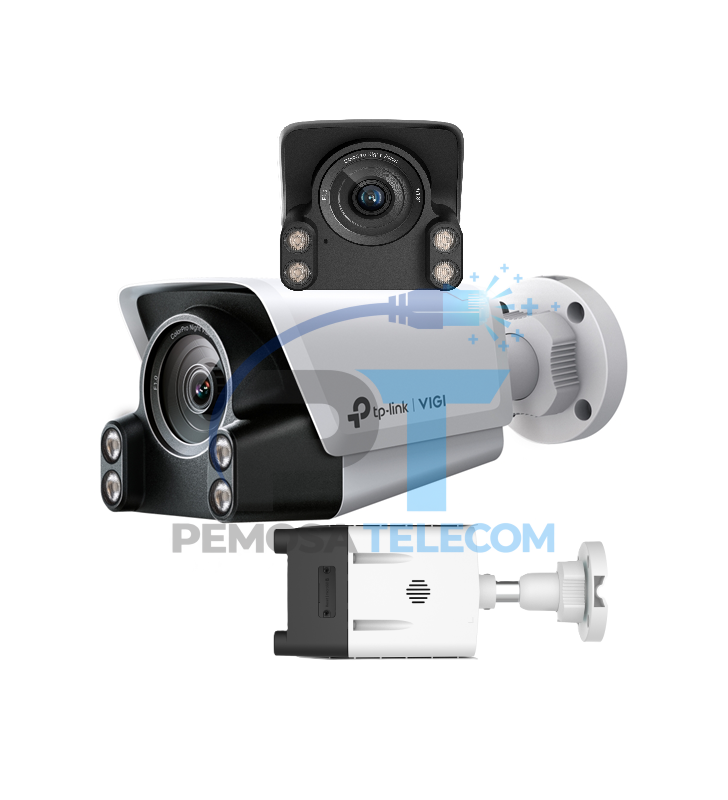
Bullet: Designed for visual deterrence and perimeter control outdoors.
Turret: The standard for clarity, eliminating infrared reflections in mixed environments.
PT (Pan-Tilt): Versatile horizontal and vertical mobility solutions for residential spaces. PTZ (Pan-Tilt-Zoom): High-performance cameras for active surveillance and large areas with optical zoom.
Fisheye: 360° coverage, ideal for comprehensive room monitoring without blind spots.
The Classic Dome (Fixed Dome)
This camera has a glass or polycarbonate dome covering the entire body.
Design: The lens is protected inside the dome.
Advantage: It is the most difficult to manipulate or move manually without tools.
The Turret Dome (or Flat-Faced Dome)
Although technically a type of dome due to its circular base, it does not have a glass dome.
Design: The lens is exposed on a rotating sphere.
Important fact: It provides the best nighttime images because it prevents infrared light from reflecting off the glass and blurring the image (a common problem with dirty classic domes).
The PTZ Dome
It is the "big brother". It's called a dome camera because it maintains a dome shape, but it's much larger.
Difference: While a standard dome camera is fixed (you orient it during installation and it stays in that position), a PTZ camera moves remotely.
PTZ (Pan-Tilt-Zoom) Camera
These are large cameras that can rotate 360°, tilt, and have powerful optical zoom.
Uses: Active surveillance. They are used in large areas (parking lots, shopping malls, stadiums) where a human operator or automatic tracking software needs to "follow" a target or cover a huge area with a single camera.
Turret Camera
This is a hybrid camera. It looks like a dome camera, but the lens isn't behind a glass dome; instead, it's a sphere that rotates on a base.
Uses: Very popular today because it eliminates the reflections that dome glass sometimes produces with infrared light. They are easy to adjust and offer very clean image quality for residential and commercial outdoor use.
Bullet Cameras
These have an elongated, cylindrical design. They are highly visible and are generally mounted on walls using an articulated arm.
Use: Their primary function is deterrence. Being so visible, they alert others to the presence of surveillance. They are excellent for outdoor use because they typically have better infrared range (night vision) and can be easily aimed at hallways or long perimeters.
Cube Cameras
Small desktop or wall-mounted cameras, usually with Wi-Fi and two-way audio.
Use: For home or small office use. They are ideal for seeing who enters through a door or monitoring a specific room without complex wiring.
Hidden/Pinhole Cameras
Tiny lenses that are concealed within smoke detectors, motion sensors, or walls.
Use: For covert surveillance. They are used in investigations or locations where aesthetics prevent the visibility of a camera, or where internal theft is suspected.


 Copper
 RJ45, RJ0, RJ10, RJ12 Network Connectors
 Patch-Cords, Extension Cords, Red Cords
 Category 8 Patch Cords
 Category 7 Patch Cords
 Category 6A Patch Cords
 Category 6 Patch Cords
 Category 5 Patch Cords
 Patch-Cords, Extension Cords, CAT3 Voice Cords
 Patch-Cords, Extension Cords, Cross Over Cross Cords All Categories
 Cables LAN-RED (todas las categorias)
 Copper PigTails
 Pdc (Network Consolidation Points)
 PdC Trunks and Pre-assembled RJ45 NETWORK (Male/Female)
 PdC Trunks and Pre-assembled RJ45 NETWORK (Female/Female)
 PdC Trunks and Pre-assembled RJ45 NETWORK (Male/Male)
 PdC Preassembled Panels Mirror Format
 LAN Components (Network)
 Empty 19" Panels RJ45
 Intelligent Structured Cabling Systems
 NETWORK, LAN, E+E Security Components
 Voice, Telecom & ICT2
 FTTH, Voice and ICT cables (all categories)
 Tools (Voice and Data Tools) LAN - NETWORKS
 Fiber
 Connectors Fibra òptica
 Fiber Optic Cables
 Cable Fibra Óptica Interior Ajustado y Holgado
 Loose Fit Indoor/Outdoor Dielectric Fiber Optic Cable
 Loose Metal Outdoor Fiber Optic Cable
 Fiber Optic Rosettes
 Fiber Optic Patch-Panels
 Fiber Optic Wall Boxes
 Fiber Optic Wall Boxes Interiors
 Fiber Optic Wall Boxes Outdoors
 Fiber Optic Cassettes
 Torpedoes and Boxes Exterior Bleeding Fiber Optic
 Pig-Tails Fiber Optics
 SFiber Optic Splitters
 Fiber Optic Attenuators
 FTTH
 Special CPD Channels
 Rack
 Wall Racks
 Exterior Racks Ip__
 Floor Racks
 Server and Cube Racks (CPD´S)
 Chassis, Uprights, Open Frames
 Soundproof Racks
 Refrigerated Racks
 Accessories Racks, Cupboards, Cabinets
 PDU IT Smart electrification
 PDU IT Phase Metering
 Monitoring and Control of CPDs and Technical Rooms
 DIN rail
 PDU IT with monitoring
 Sensors and CAN devices
 Extensions
 Analog Sensors
 Cameras
 AC/DC Meters
 Accessories
 Power Supplies
 Cables
 Guarantees
 CPDs Data Processing Center
 ICT2 Common Infrastructures for Telecommunications
 BOX
 Wall Technical Boxes
 Technical Boxes Office Furniture
 Electrical Sockets, Schukos for Modular Boxes
 Voice and Data Boxes (Rosettes)
 Modules, Data Plates for Modular Boxes
 Floor-mounted Technical Boxes, Towers and Columns
 Organization of Cables, Management of Cables
 Channels, Trays and accessories
 Connection and Fixation Systems
 Modules, Data Plates for DIN Rail in copper and Fiber Optics
 ACTIVE COMPONENTS
 Switches without management
 Smart Switches (smart)
 Industrial Switches & Routers
 Media Converters NIC Cards and Multimedia Converters. SFP/SFP+Transceivers
 PLC PowerLine, Home Automation & Repeaters
 PoE (Power Over Ethernet) SWITCH and Injectors
 Router, Wireless & Access Point
 IPTV
 Distribution Sound, Presence
 Special Cables for Sound Distribution, Intrusion and Presence
 Public Address System Modular
 Public Address Controls and Centrals
 Public Address System 100V
 Public address system Compliance with EN54/16 and 54/24 regulations
 Common Material Public Address System
 Public Address Common Material 100V Speakers
 Intercom Systems
 Attendance control
 Home automation
 Power Supply
 PDUs without intelligence and Basic Electrifications
 Power Cables and Connectors
 SAIS UPS
 LED Technology
 MULTIMEDIA
 Multimedia Cables
 HDMI & HDMI Spliters
 SUB-D.DSUB
 Speaker Stands, TV, Projectors. Turntables
 VGA
 RCA
 FireWire
 JACK
 CANON XLR
 USB & USB Electronics
 TOSLINK
 Phones and Test
 Coaxial
 Coaxial Cables
 Coaxial Connectors
 Coaxial Adapters
 Coaxial Baluns
 Plates and pletics with female connectors / or coaxial female/female adapters
 Coaxial Extensions
 19" Coaxial Panels
 SMATV / ICT2
 Useful Coaxial Tools
 KVM
 DISPLAYPORT
 Interface Multimedia Media Converters
 CCTV
 Special CCTV Cables
 CCTV Cameras
 Recorders
 CCTV Monitors
 CCTV Tools
 Tools and Consumables
 Tools Cooper System (Copper, Networks, LAN)
 Crimping Tools (insert) RJ45, RJ10, RJ11, RJ12
 LAN Tools Kits (Networks)
 Insertion Tools 110/LSA-PLUS AND HANDLING
 Testing and pinning equipment
 Identification Tools and Consumables (Labels)
 Tools for Optical Fibers
 Kits Consumables and Velcro Ties
 Fiber Optic Case Kits
 Inspection Equipment
 Launch Coils
 Fiber Optical Strippers-Cutters
 Cleaning Supplies and Products (consumables) Fiber
 Multipurpose tools
 Electrician Tools
 Identification Labels
 Industrial entornos mas extremos
 Información Técnica, Glosario, Terminología y Explicaciones

 Patch-Cords, Jumpers, Trunks, Fiber Optic Hoses
 Jumper, Patch-Cord, extension F.O. FC/FC
 Jumper, Patch-Cord, extension F.O. FC/LC
 Jumper, Patch-Cord, extension F.O. FC/SC
 Jumper, Patch-Cord, extension F.O. FC/ST
 Jumper, Patch-Cord, extension F.O. LC/LC
 Jumper, Patch-Cord, extension F.O. LC/MTRJ
 Jumper, Patch-Cord, extension F.O. LC/SC
 Jumper, Patch-Cord, extension F.O. LC/ST
 Jumper, Patch-Cord, extension F.O. SC/SC
 Jumper, Patch-Cord, extension F.O. SC/ST
 Jumper, Patch-Cord, extension F.O. ST/ST
 Mallets, Hydras. Hoses F.O. Trunks
 Jumper, Patch-Cord, extension F.O. ST/MTRJ
 Jumper, Patch-Cord, extension F.O. SC/MTRJ
 Jumper, Patch-Cord, extension F.O. FC/MTRJ


 Delivery policy
 Return policy
 Security policy